
In the villages of Mexico, when a dog howls at dawn or a shadow crosses the mountain under the moon, there are still those who whisper an ancient word.
But what really is a nahual? A sorcerer who turns into an animal? A protective spirit? A rural superstition?
The answer is deeper — and more disturbing — than it seems.
What does nahual mean?
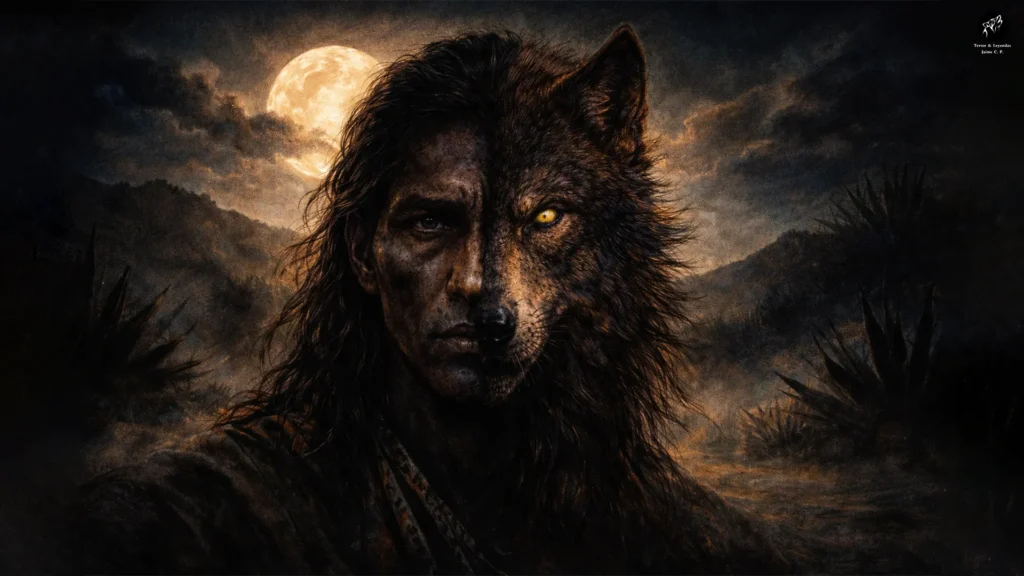
It is a figure from Mesoamerican mythology that represents a human being capable of transforming into an animal. In various indigenous cultures, it is also considered a protective spirit linked to the birth of a person.
The word comes from Nahuatl nāhualli, which can be translated as “the hidden”, “that which is disguised” or “spiritual double”.
Since pre-Hispanic times, the concept has been linked to the idea that each human being has a supernatural bond with an animal.
Origin of Nahual in pre-Hispanic culture
He was not born as an evil figure. His origin is deeply spiritual.
Etymology and root
In the Mexica tradition, the nāhualli He was someone with the ability to transform or project his essence into an animal. He was not always a dark sorcerer; he could be a sage or shaman.
The Nahual and the Tonal
In many Mesoamerican communities there was a belief that each person was born under the protection of a spiritual animal called Tonal.
While the tonal was the protective spirit, the nahual was the one who could manipulate that connection.
Presence in Oaxaca, Chiapas and Veracruz
In Zapotec and Mayan communities, this creature is still part of the collective imagination. In some regions it is believed that certain sorcerers can transform into:
- Black dogs
- Coyotes
- Guajolotes
- Jaguars
The animal form is not random: it reflects the strength or intention of the practitioner.
YOU MAY BE INTERESTED IN
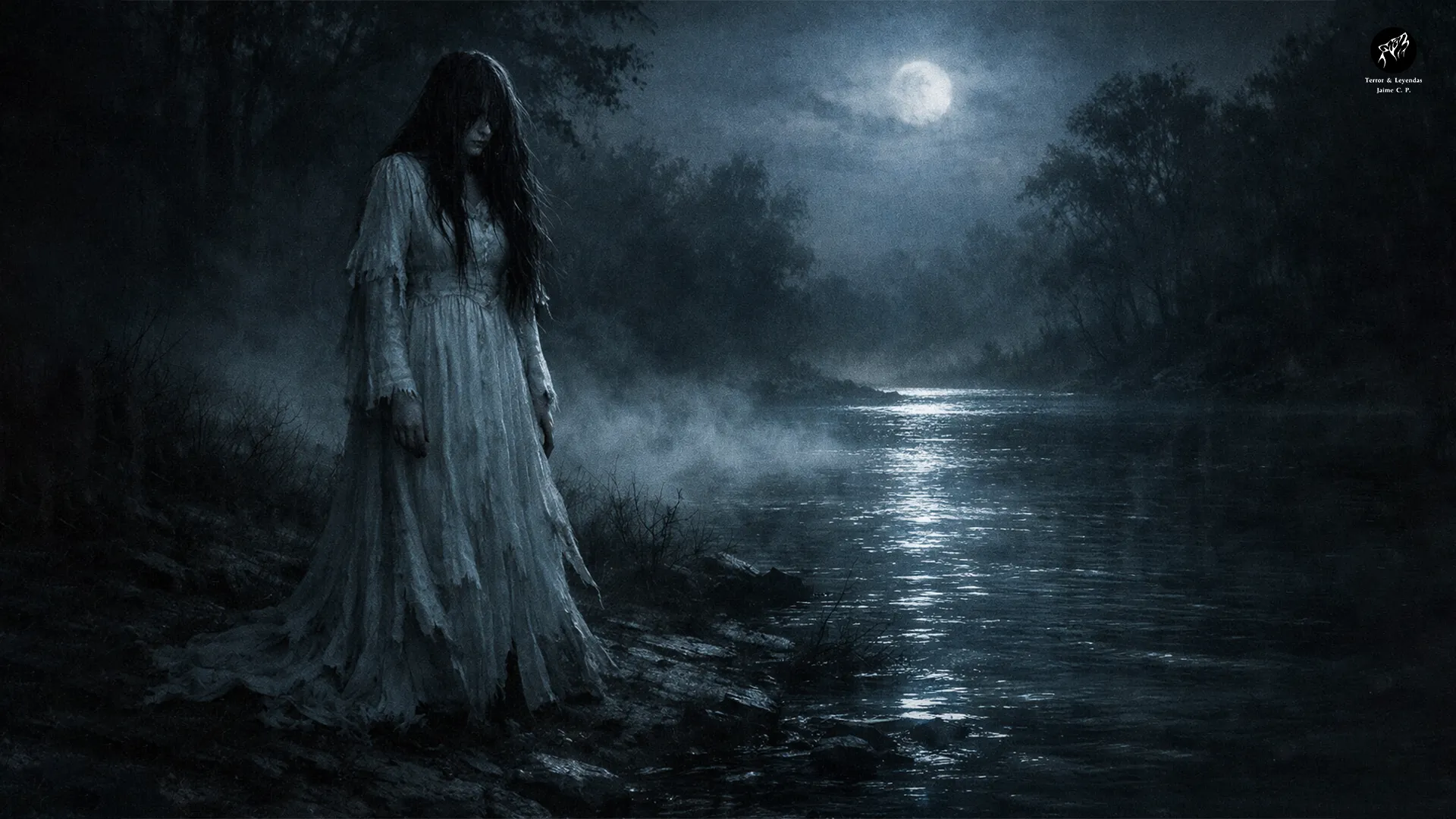
La Llorona: real origin and history of the Mexican legend
Few figures of Mexican folklore are as disturbing as La Llorona, that presence that seems to manifest itself when the night becomes too quiet and the water reflects more shadow than light.
The legend of the nahual in Mexico
As time went on, the spirit figure transformed into something darker.
During colonial times, accounts began to describe the nahual as a sorcerer who sold his soul to gain the power to turn into a beast. He was said to attack cattle, steal energy, or prowl houses at night.
In many villages this warning is still heard:
If an animal stares at you in the early morning and doesn’t blink… it might not be an animal.
The mixture of indigenous tradition and colonial fear gave rise to the most terrifying version of the myth.
How do you know what your nahual is?
From the indigenous worldview, a person’s spirit animal depended on:
- Your date of birth
- The Mesoamerican calendar
- His lineage
- Initiation rituals
However, in authentic tradition, one does not “choose” one’s nahual. It is a spiritual connection determined from birth.
Today, many modern versions mix this belief with astrology or contemporary esoteric interpretations.
What are the Nahual afraid of?
According to rural folk tradition, there are elements that can weaken or scare away a nahual:
- Direct Fire
- Salt sprinkled on entrances
- Iron Objects
- Prayers or prayers
- Discovering your human identity
It was believed that if someone managed to injure the animal, the next day the supposed witcher would appear with the same wound in his human form.
These stories are part of Mexican oral folklore, passed down for generations.
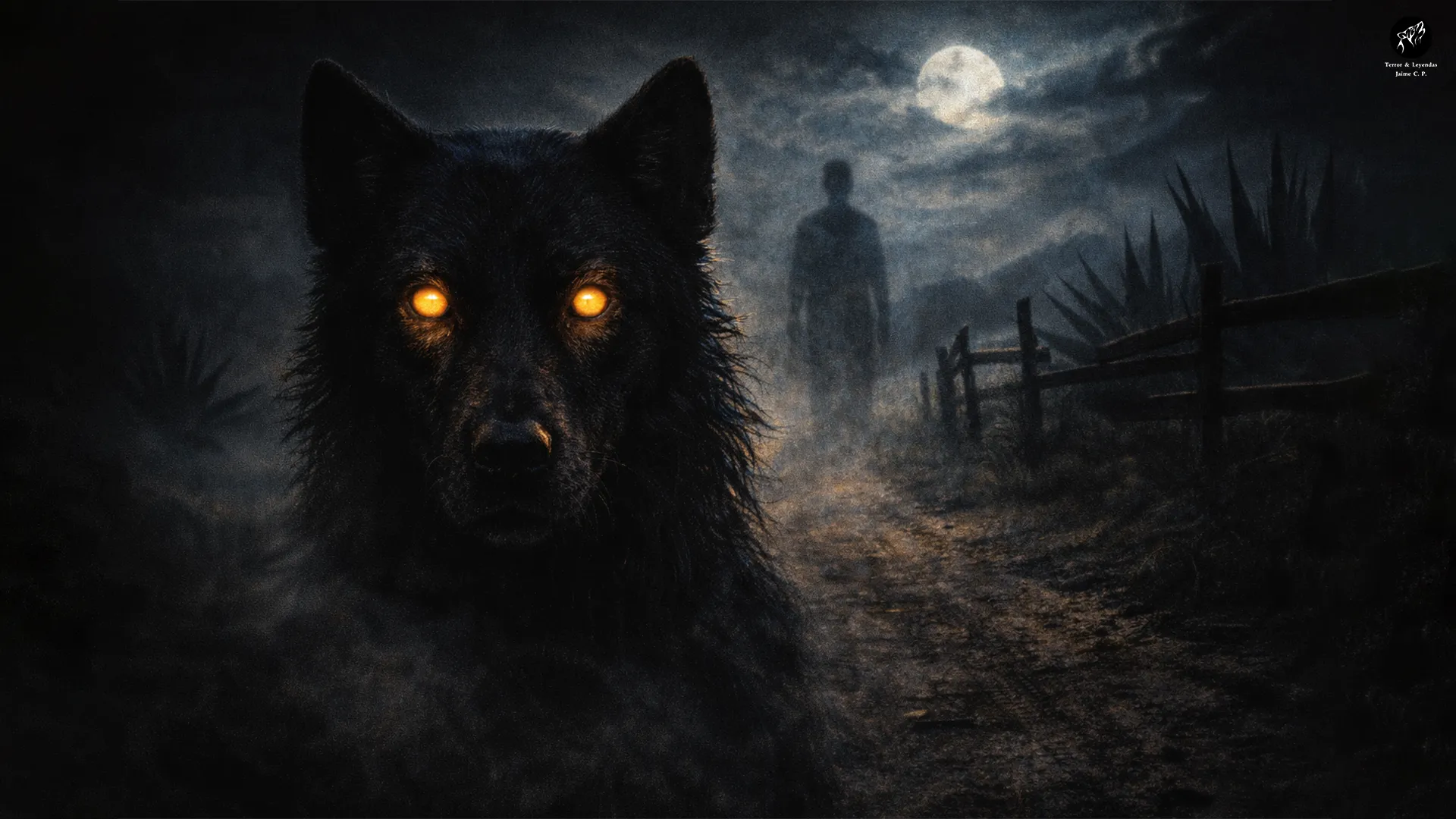
How to beat a nahual according to Mexican legends?
It is important to clarify: in the original pre-Hispanic tradition, Nahual was not always evil.
The idea of “defeating him” comes from later stories.
In towns of central and southern Mexico it was said that in order to defend oneself from a nahual it was necessary:
- Don’t show fear
- Ignite Immediate Fire
- Throwing salt or holy water
- Name it out loud if your identity was known
Some stories claim that discovering who the nahual was in his human form broke his power.
Beyond myth, these practices reflect the ancestral fear of the unknown in rural darkness.
Do the nahual really exist?
From an anthropological perspective, it is a cultural construction linked to the Mesoamerican worldview.
From oral tradition… there are those who claim to have seen them.
In rural communities, stories are still told of animals that walk on two legs, of shadows that cross cornfields and of sorcerers who do not age like the others.
Conclusion
It’s not just a horror legend.
It is a living vestige of pre-Hispanic spirituality, transformed by centuries of fear, religion and superstition.
To understand its origin is to understand a deep part of the Mexican imaginary.
And when you hear a howl in the early morning…
You may remember that some stories don’t go away. They just change shape.
YOU MAY BE INTERESTED IN: Legends of Mexico