

While in many countries Christmas ends with the arrival of the Three Kings, in Italy there is still one last visit to receive.
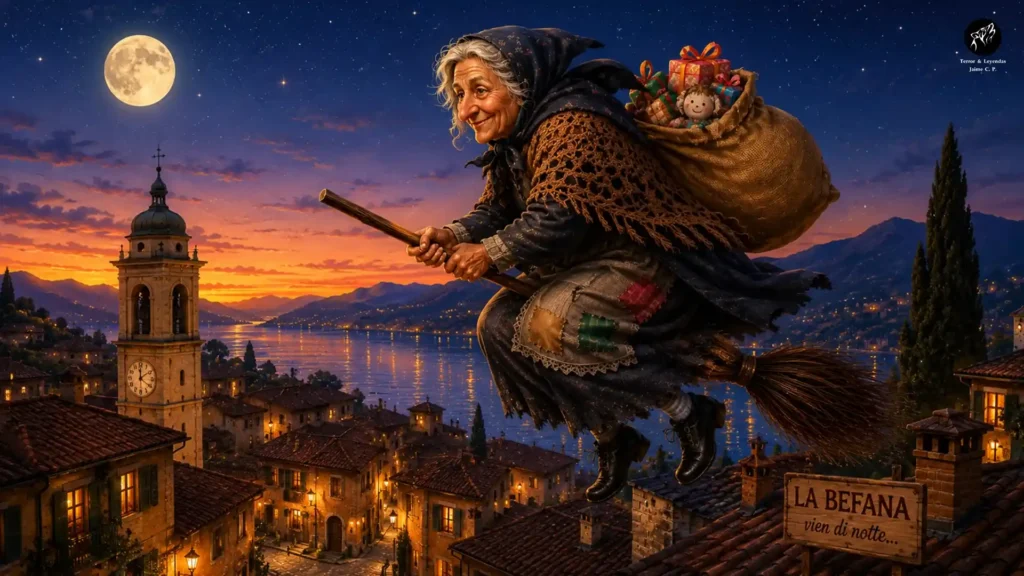
During the night of January 5-6, thousands of children leave socks hanging by the fireplace, a window, or any special corner of the house. Before going to sleep, they imagine an old woman scouring the night sky on a broom laden with candy and gifts.
That old woman is the Befana, one of the most beloved characters of Italian festivals.
At first glance she might look like a witch straight out of a fairy tale. She wears a headscarf, wears worn clothes and travels on an old broomstick. However, far from inspiring fear, she represents the generosity, tradition and enthusiasm that accompanies millions of Italian families every beginning of the year.
But who really is the Befana? Where does this curious tradition come from? And, above all, why is it still so popular centuries after its origin?
Who is the Befana?
The Befana is a traditional figure in Italian folklore linked to the feast of the Epiphany.
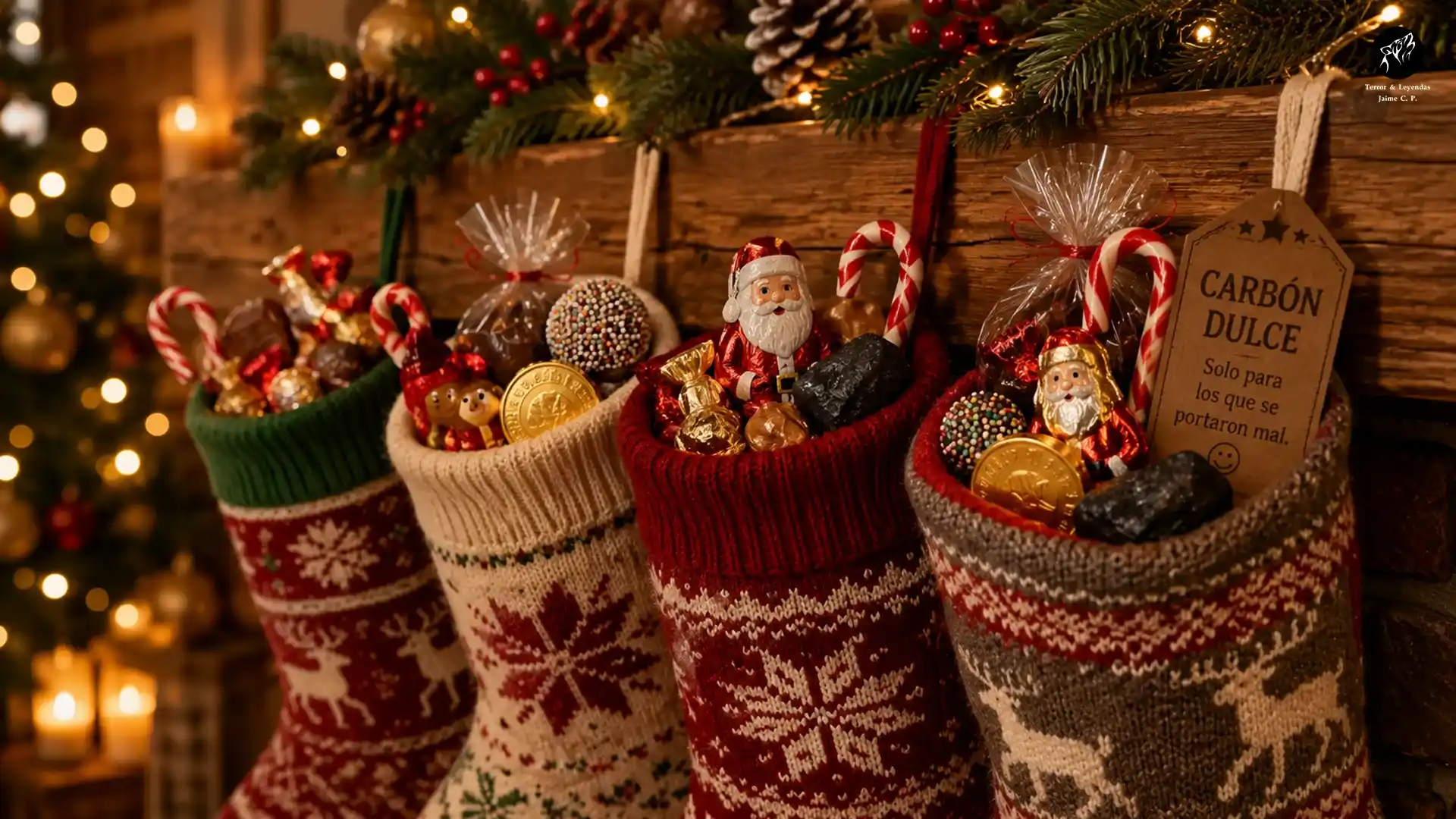
According to legend, he visits homes during the early morning of January 6 to leave gifts and sweets for children who have behaved well. For those who have not behaved in an exemplary manner, he leaves coal.
Luckily for the little ones, today that charcoal is usually a candy made with sugar and black coloring.
Although many people describe her as an Italian witch, the Befana has nothing to do with the evil witches of classic tales. Her role is completely different. She is a kind, protective figure deeply tied to family traditions.
In Italy, the arrival of the Befana means the definitive closure of the Christmas celebrations.
In fact, there is a popular Italian saying that goes:
“L’Epifania tutte le feste porta via”.
That is:
“The Epiphany takes all the festivities.”
The origin of the Befana: a tradition with centuries of history
Although today the Befana is associated with Christianity, its roots seem to be much older.
Some historians believe that this tradition could come from ancient agricultural celebrations in Roman times. During the winter, rituals related to the fertility of the land and the beginning of a new harvest cycle were performed.
Over the centuries, these popular customs were mixed with Christian festivities.
The word “Befana” itself comes from “Epiphany”, the celebration that commemorates the visit of the Three Wise Men to the baby Jesus.
The linguistic transformation was gradual:
Epiphany → Epiphany → Bifania → Befana
Thus was born the name by which this character is known today throughout Italy.
The legend that connects the Befana with the Three Wise Men
The best-known story about the Befana begins precisely with the Three Kings.
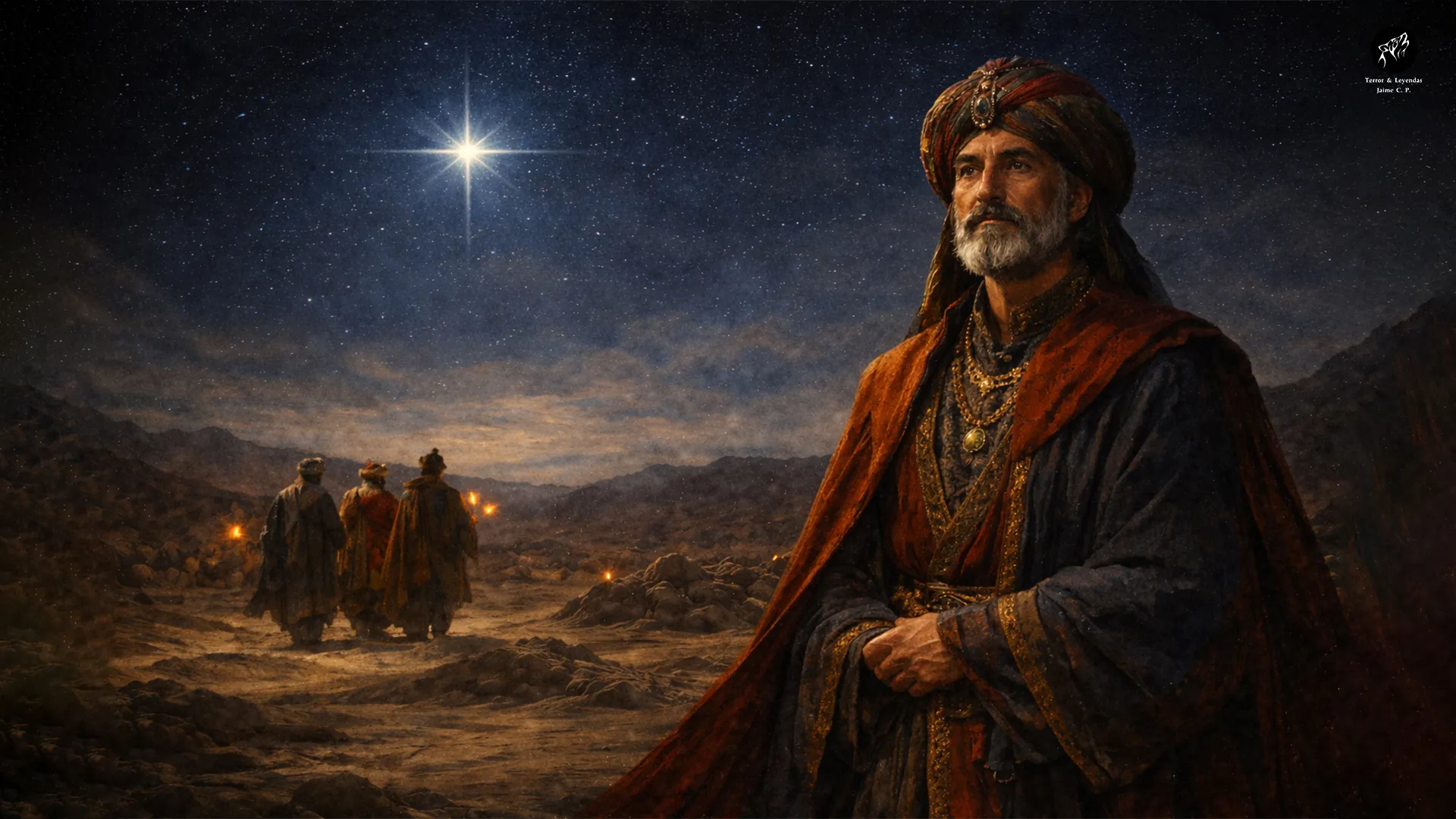
Legend has it that, while traveling to Bethlehem guided by the star, Melchior, Gaspar and Balthazar got lost.
During their tour they found the house of an old woman and asked her how to continue on the road.
The woman pointed them in the right direction and the King and Queen invited her to accompany them.
However, she declined the invitation because she had too much work to do at home.
When the Three Wise Men left, the old woman began to regret it.
He thought that perhaps he had just missed a unique opportunity.
So he prepared a basket full of sweets and went out to get them.
He walked for days trying to find them, but never succeeded.
Since then, according to tradition, the Befana continues to travel the world every year in search of the baby Jesus. As she continues her search, she leaves small gifts for all the children she meets in her path.
YOU MAY BE INTERESTED IN
The legend of Artaban, the Fourth Wise Man
It is said that, in addition to Melchior, Gaspar and Balthasar, there was a fourth wise man from the East called Artaban.
Artaban was a Persian sage who, like the other Magi, observed in the sky the star that announced the birth of the Messiah. Understanding its meaning, he decided to undertake the journey to Bethlehem to pay homage to him.
When does the Befana arrive?
La Befana visits homes during the night of January 5-6.
Italian children often prepare large socks to receive their gifts. Some also leave a small snack for the traveling old lady, just as it happens in other countries with Santa Claus or the Three Kings.
The next morning they discover what he has left.
The emotion is very similar to that experienced by millions of children at Christmas.
However, for Italians it has a special meaning because it marks the end of the holidays.
How Befana is celebrated in Italy
The tradition is present throughout the country, although some cities live it with special intensity.
During the first days of January it is common to find:
- Thematic markets.
- Christmas fairs.
- Traditional parades.
- Historical representations.
- Children’s activities.
- Distribution of sweets and candies.
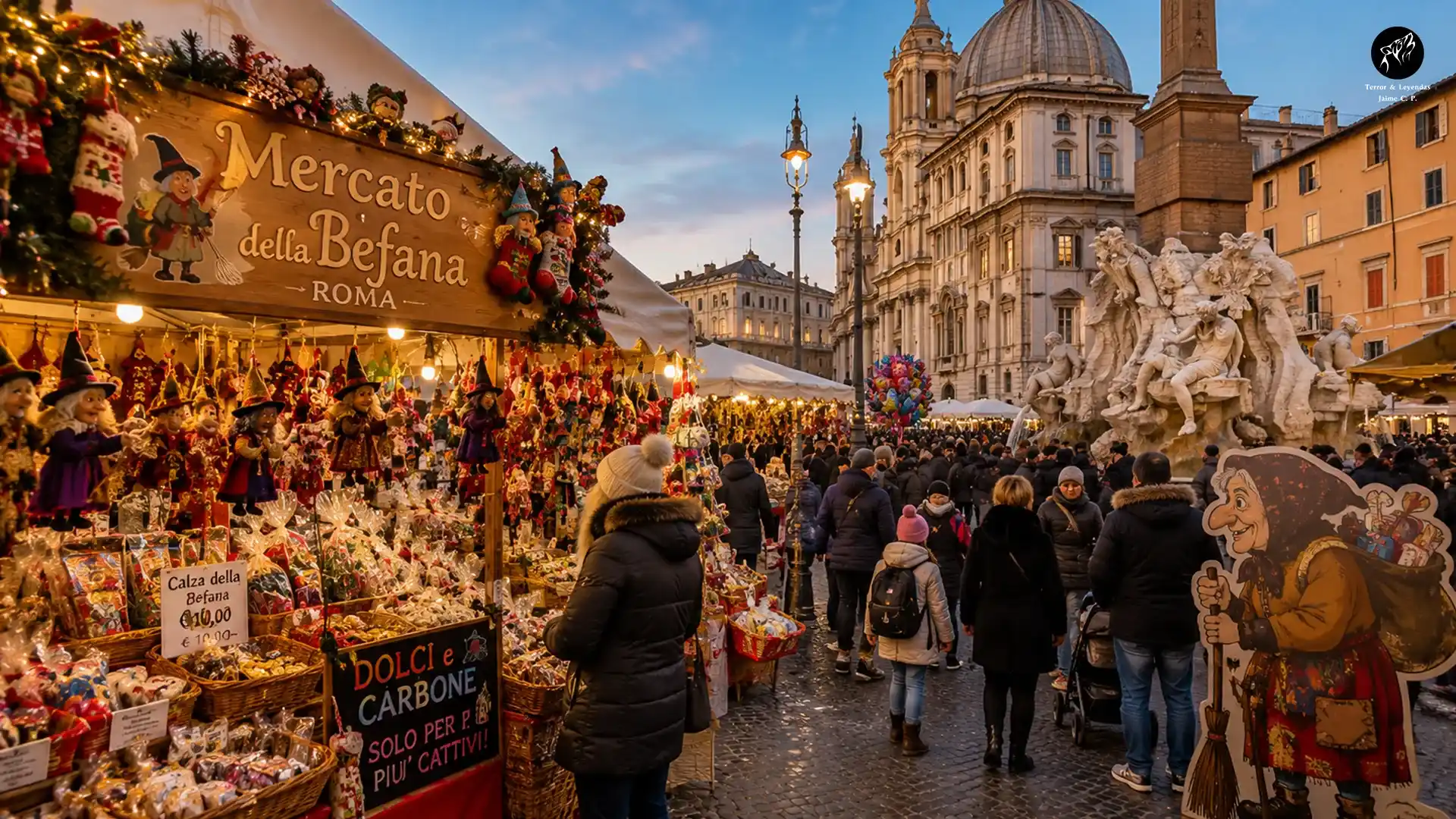
One of the most famous places to experience this celebration is Piazza Navona in Rome.
Every year it is filled with stalls, shows and activities related to the Befana, becoming one of the most visited points during the Epiphany.
In many localities it is also common to see people dressed as Befana distributing sweets among children.
What gifts does Befana leave?
Unlike other Christmas figures, the Befana does not usually carry extravagant gifts.
Traditionally, it leaves simple details such as:
- Chocolates.
- Candies.
- Nuts.
- Small toys.
- Children’s books.
- Cookies.
- Sweet charcoal.
The essence of this custom has never been the economic value of the gifts.
The important thing is to keep the illusion alive and transmit values such as generosity and gratitude.
Befana and Santa Claus: two very different traditions
Although both characters give gifts, there are important differences.
La Befana
- The night of January 5 to 6 arrives.
- He travels on a broomstick.
- She looks like an old woman.
- It is linked to the Epiphany.
- It is a typically Italian tradition.
Santa Claus
- The night of December 24 arrives.
- Ride a sled.
- It lives at the North Pole.
- It is associated with Christmas.
- It has an international presence.
Many Italian families enjoy both traditions without considering them incompatible.
Children receive some gifts at Christmas and others during the Befana’s visit.
Why is Befana still so loved?
At a time when many traditions are disappearing or transforming, the Befana has managed to stay alive.
The reason goes far beyond gifts.
It represents values deeply rooted in Italian culture:
- The importance of the family.
- The transmission of customs between generations.
- Generosity.
- Hope.
- Cultural identity.
In addition, it offers something that few traditions keep intact: the ability to surprise children without the need for great artifice.
All it takes is a story, a broom and a hanging sock to keep the magic alive.
Curiosities about Befana that you may not have known
There is a popular song dedicated to her
Millions of Italians know the song:
“La Befana vien di notte con le scarpe tutte rotte…”
It is sung especially during the days leading up to the Epiphany.
Its image changes according to the region
Although she always appears as an old woman, her clothing can vary depending on the area of Italy.
Has its own party
In many Italian cities, events are organized exclusively dedicated to Befana.
He is one of the oldest characters of European Christmas
Her possible pre-Christian roots make her one of the oldest festive figures still present in popular culture.
A tradition that continues to fill Italian homes with magic
The Befana She is much more than a curious Christmas witch. She is a figure who connects history, religion, popular culture and family traditions in a single celebration.
Every year, when the early morning of January 6 arrives, millions of Italian children look at their socks again with the same enthusiasm that their parents and grandparents had.
And perhaps therein lies the true secret of the Befana: in her ability to keep magic alive generation after generation.
Did you know about this Italian tradition? Tell us which Christmas character is the most popular in your country and share this article with those who enjoy discovering fascinating customs from other cultures.
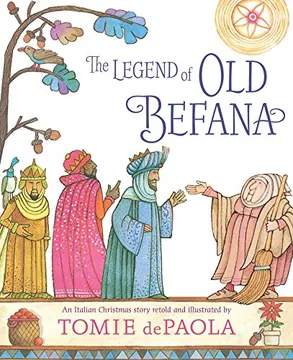
The Legend of old Befana: An Italian Christmas Story (en Inglés)
La Befana, written and illustrated by Tomie dePaola, is a beautiful adaptation of one of the most popular legends of Christmas in Italy. Through warm illustrations and simple narration, the book tells the story of an old woman who spends her days sweeping her house until one night she sees a shining star and meets the Three Wise Men on her way to Bethlehem.
Driven by curiosity and regret for not having accompanied them from the beginning, La Befana embarks on a quest that will become a centuries-old tradition. This work transmits values such as generosity, hope and the importance of second chances, becoming essential reading to discover the origin of the famous Italian witch who distributes gifts to children every January 6.