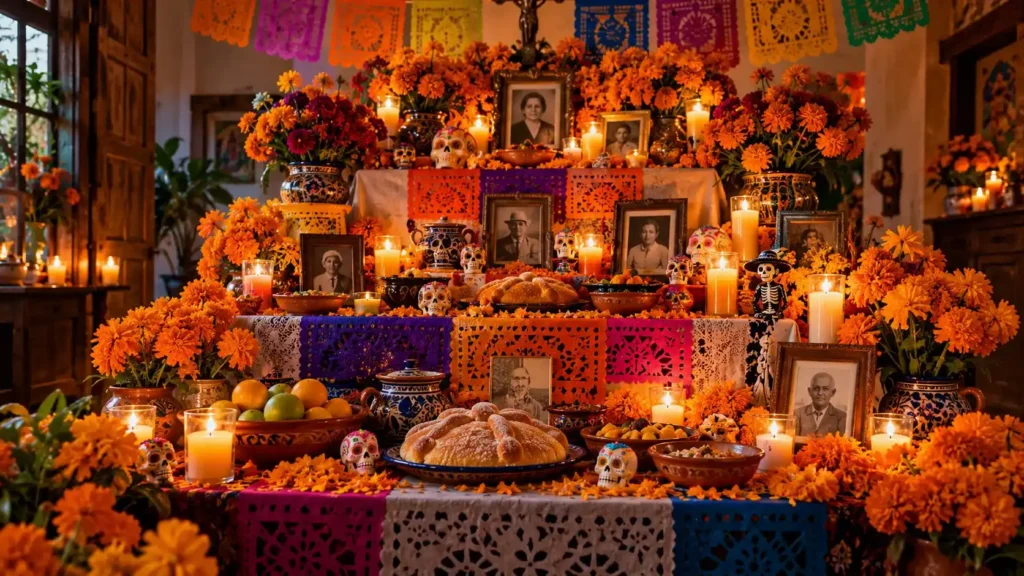

The Day of the Dead is one of the most representative celebrations in Mexico. Every year, millions of people prepare offerings, decorate their homes with marigold flowers, light candles, and share memories of their loved ones. It is a tradition that unites families and keeps alive the memory of those who have passed away.
Although the central dates are November 1 and 2, many families begin their preparations from the end of October. In addition, in recent years calendars have become popular that assign a particular meaning to each day, from the memory of deceased pets to the symbolic farewell of the souls.
Know the Day of the Dead from October 27 to November 3 It allows you to discover these customs, understand the meaning of the offerings and learn about the differences between the traditions of the different Mexican regions.
What is celebrated every day? When should the altar be set up? What do flowers, candles, and bread of the dead mean? In this guide you will find the answers and learn how to celebrate this tradition with respect for the history and cultural diversity of Mexico.
What is the Day of the Dead and what is its origin?
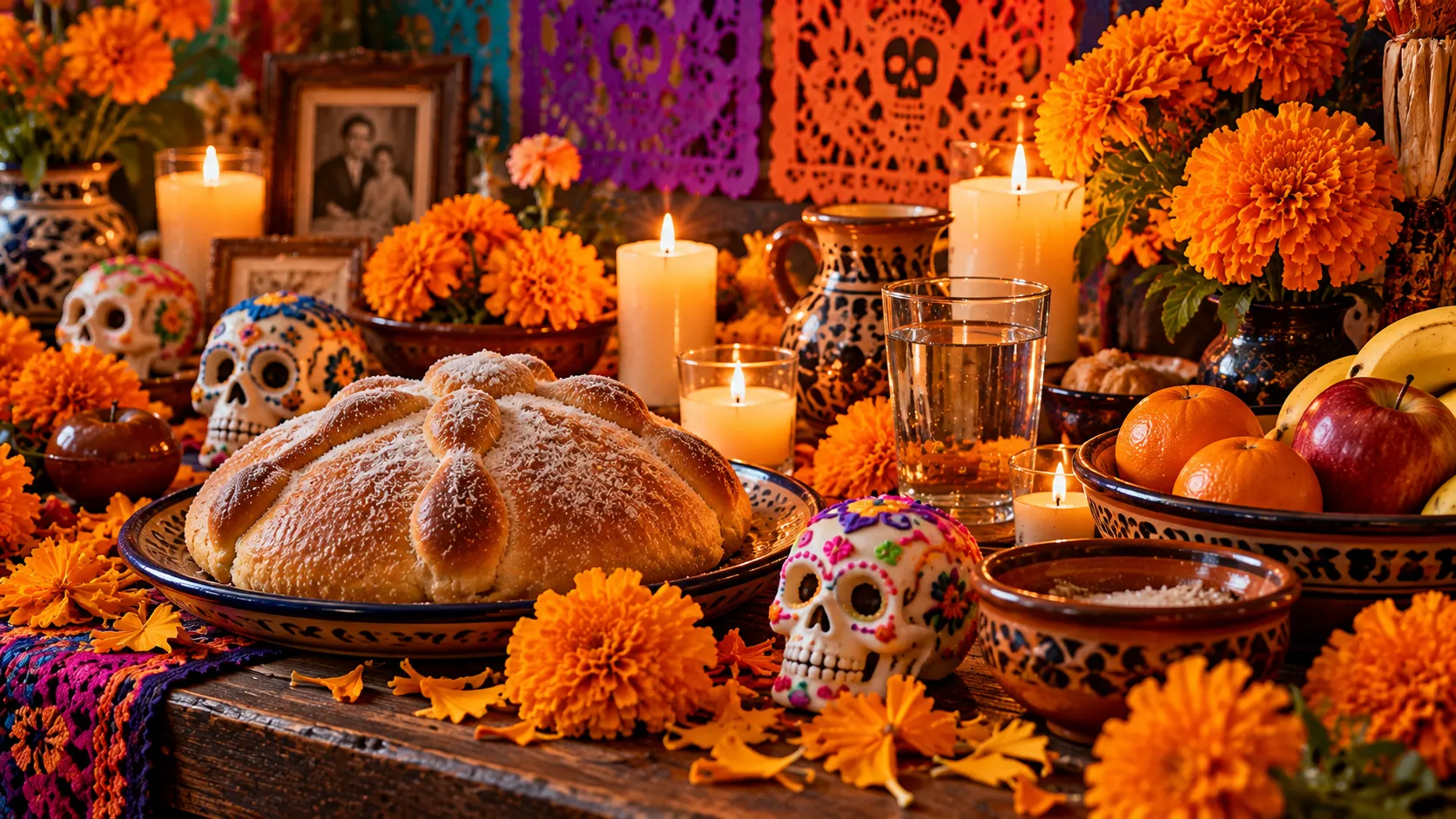
The Day of the Dead is a celebration dedicated to remembering the deceased through offerings, ceremonies, visits to cemeteries and family gatherings.
In many Mexican communities, this holiday is accompanied by the belief that the souls of the deceased symbolically return to visit their loved ones. For that reason, families prepare altars with photographs, food, drinks, flowers, and objects related to those they remember.
The origin of this celebration is linked to a complex cultural history. The native peoples of Mexico developed various conceptions of death and ceremonies dedicated to their ancestors. Later, during the colonial period, these practices came into contact with the Catholic celebrations of All Saints and All Souls.
With the passage of time, different cultural expressions emerged depending on the region, beliefs and family customs.
For this reason, the Day of the Dead should not be understood as an identical tradition throughout the country. In some localities, domestic altars predominate; in others, visits to cemeteries, community ceremonies or indigenous practices retain special importance.
The UNESCO included the indigenous festival dedicated to the dead in Mexico in the Representative List of the Intangible Cultural Heritage of Humanity in 2008, recognizing its cultural and social relevance.
Day of the Dead from October 27 to November 3: what is celebrated every day?
One of the most frequent queries during this season is what is celebrated each day of the Day of the Dead.
It is important to distinguish between the widely recognized traditional dates and the popular interpretations that circulate in recent calendars. The assignments of October 27-31 and November 3 do not constitute a single official calendar for all of Mexico. Some families follow them, while others retain different customs.
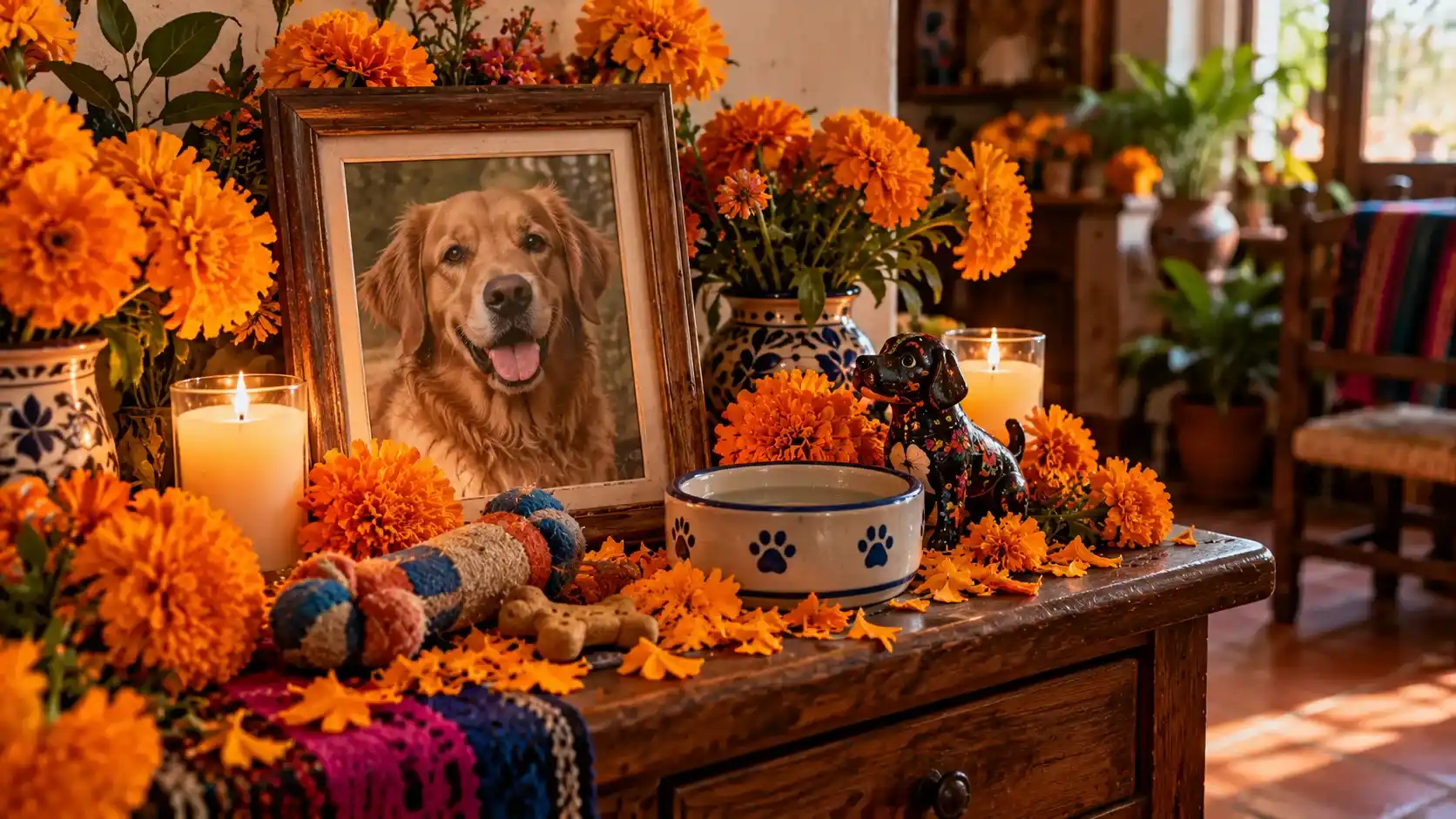
October 27: remembrance of deceased pets
October 27 has become popular as a date to remember deceased pets, especially dogs and cats that accompanied their families.
For many people, pets are important members of the home. Their presence is part of everyday life and leaves memories that remain even after their death.
Those who follow this custom can prepare a small offering with a photograph, their favorite toy, a container with water and a significant object.
They can also place flowers, ornaments, or a thank you note for shared moments.
You don’t need to make a large altar or buy special items. A photograph and a souvenir can be enough to express affection.
This practice is a contemporary manifestation of affection and not a date universally established in all Mexican traditions.
October 28: remembrance of those who died tragically
In some popular calendars, October 28 is dedicated to remembering people who passed away suddenly or tragically.
The date can be associated with the memory of those who lost their lives in accidents or other unexpected circumstances.
Some families take advantage of this day to place a photograph, light a candle safely or share stories about their loved ones.
However, this assignment is not practiced uniformly throughout Mexico. If your family has another custom, you can keep it and pass it on to new generations.
Beyond the date, remembering those who died unexpectedly also allows us to recognize the importance of accompanying families who have experienced a loss.
October 29: Remembrance of those who died by drowning
According to some versions of the popular Day of the Dead calendar, October 29 is remembered for people who lost their lives by drowning. This belief is part of the different interpretations that exist about the days leading up to November 1 and 2.
Around these dates there is also talk of forgotten souls, those who no longer have relatives to remember them or who do not receive an offering. However, not all versions of the calendar assign these commemorations to the same day.
For some families, remembering those who died in these circumstances is a way to keep their memory alive. A prayer, a candle or some flowers can be enough to pay tribute to them.
October 30: Tribute to the deceased without offering
In some popular versions, October 30 is also related to the deceased who do not have their own offering.
This interpretation shares a central idea: to remember those who, for different circumstances, could be left out of family celebrations.
A school, association, or family can use the season to research the history of their community, remember their ancestors, or recognize people who made an important contribution.
These activities also teach children that collective memory is built by preserving stories, photographs, and testimonies.
The date and its meaning are not universal, so it is convenient to present them as part of certain popular interpretations.
October 31: Remembrance of the Souls of Limbo
In some versions of the popular calendar, October 31 is dedicated to children who died without having been baptized. This belief is related to limbo, an idea in Christian tradition historically linked to the fate of those who died without receiving baptism. In certain interpretations, unborn babies are also remembered.
The date reflects how religious beliefs were mixed with popular customs around death and the memory of loved ones. Some families take advantage of this day to dedicate a prayer or light a candle in memory of the little ones who died.
The ways to remember them depend on the beliefs of each household. In addition, this association of October 31 with the souls of limbo is not followed in all regions of Mexico.
1 November: All Saints’ Day and remembrance of deceased children
November 1 corresponds to the Catholic celebration of All Saints. In many Mexican communities, this date is also especially related to the memory of deceased children, whom some families call “angelitos”.
Offerings dedicated to the little ones can include photographs, toys, flowers, candy, and foods that the family associates with them.
Customs change from region to region. Therefore, the elements of the altar and the times of the ceremonies depend on family and community practices.
For those who have lost a child, this day can have a deeply emotional meaning. It is important to treat the subject with sensitivity and respect the different ways of experiencing grief.
Some families prefer to prepare an ofrenda; others perform a prayer, visit the cemetery, or remember the little one in private.
November 2: All Souls’ Day
November 2 is one of the central dates of the Day of the Dead. In the Catholic calendar it corresponds to the commemoration of the Faithful Departed and, in many Mexican families, it is especially dedicated to remembering deceased adults.
During this day it is common to visit the cemeteries, clean the graves, place flowers and share food.
In homes, offerings often include photographs of parents, grandparents, siblings, friends, and others who left a significant mark.
Dishes that the deceased enjoyed are also prepared. In some communities there is music, prayers, processions and family gatherings.
The meaning of these practices is not only about decorating an altar. For many people, they represent a way to keep the history of their loved ones present and pass on their memories to new generations.
November 3: Souls Return to the Afterlife
In some popular traditions, November 3 marks the farewell of the souls who, according to belief, return to the world of the living during the Day of the Dead. After visiting their relatives and receiving the offerings prepared in their honor, it is time to return to the afterlife.
For many people, this date symbolizes the closing of the celebration and the farewell of their loved ones until the following year. In some homes, the offering is removed and the decorations are kept; in others, families maintain their own customs to end the commemoration.
Not all families remove the altar on the same day. Although November 3 is related to the return of souls in some versions of the popular calendar, this belief is not practiced in the same way throughout Mexico.
Day of the Dead Calendar: Summary of October 27 to November 3
The following table brings together the most widespread popular interpretations for these dates. It should not be understood as an official calendar applicable to all regions of Mexico.
| Date | Who is remembered? |
|---|---|
| October 27 | Deceased pets, according to some popular versions. |
| October 28 | People who died tragically or violently. |
| October 29 | People who died by drowning. |
| October 30 | Forgotten souls or without a dedicated offering, according to certain versions. |
| October 31 | Children who died without baptism, associated in some interpretations with the souls of limbo. |
| November 1 | All Saints’ Day; in many communities deceased children are especially remembered. |
| November 2 | All Souls’ Day, dedicated to remembering the deceased. |
| November 3 | Symbolic farewell to souls and return to the afterlife, according to some popular traditions. |
The most widely recognized central dates are November 1 and 2. The others can change depending on the tradition, the region and the beliefs of each family.
When should the Day of the Dead offering be placed?
Many families begin preparing the offering during the last days of October to have it ready before November 1.
Others follow specific dates related to the customs of their community. Therefore, there is no single date that all families must respect.
If you want to prepare your altar at home, you can organize yourself as follows:
- Choose the space. Find a stable, clean table or surface.
- Gather the photographs. Select the images of the people or pets you want to remember.
- Prepare the items. Get flowers, water, food, papel picado, and other meaningful objects.
- Arrange the altar. Place the photographs in a visible place and distribute the other elements.
- Check the security. Keep candles away from fabrics, paper, and dried flowers. Never leave them burning unattended.
You don’t need to spend a lot of money to prepare an ofrenda. Family intent and memories may be more important than its size or decoration.
What does a Day of the Dead offering carry and what does each element mean?
Mexican altars can be very different from one another. However, some elements appear frequently and have symbolic meanings recognized in various traditions.
Marigold flower
The marigold flower It is one of the most representative symbols of this celebration.
Their yellow and orange tones fill the offerings with color. In different traditions, petals are used to adorn altars and form symbolic paths to them.
Candles and candles
The candles represent light and, for many families, symbolize a guide for the souls.
They should be placed in heat-resistant containers, away from flammable materials and out of the reach of small children and pets.
Electric lights can also be used as an alternative.
Water
Water is a frequent element in offerings. Within traditional interpretations, it is related to the purity and rest of the souls.
Pan de muerto
Pan de muerto is one of the most recognizable foods of the season.
It is placed on numerous altars and shared with the family. Its shape and decoration vary according to the region and the recipe.
Photographs and personal belongings
Photographs allow you to identify the people you remember. It is also common to place letters, books, tools, toys or other objects that represent your tastes and activities.
These elements turn the altar into a personal tribute.
Food and beverages
Foods are frequently chosen according to the tastes of the deceased. They may include fruits, tamales, mole, sweets, coffee, atole, and other regional preparations.
Papel picado
Papel picado brings color and movement to the ofrenda. Their designs can include flowers, skulls, and figures related to the holiday.
Copal and incense
Copal and incense are used in different ceremonial and family practices. Their presence depends on the traditions and beliefs of each community.
Not all altars have to include the same objects. An offering can be adapted to the possibilities and customs of each home.
How to Make a Day of the Dead Offering at Home
Preparing an altar can become a family activity that helps to transmit stories and traditions.
To make a simple offering, follow these steps:
Step 1. Decide who you will remember. Choose the photographs of your loved ones and collect objects that have a special meaning.
Step 2. Prepare the base. Use a firm table or a traditional structure, depending on the space available.
Step 3. Place the photographs. Arrange them so that they are visible and protected.
Step 4. Add the flowers and decorations. Use marigolds, papel picado and other traditional elements.
Step 5. Add the water and food. Select products that represent the preferences of the people remembered.
Step 6. Share the memories. Invite your family to tell stories, explain the photographs, and remember the teachings of those who have died.
Step 7. Keep the altar secure. Monitor the candles and avoid leaving perishable food for prolonged periods without the right conditions.
The goal is not to create a perfect decoration, but a space that has meaning for those who participate.
Day of the Dead traditions in different regions of Mexico
One of the greatest riches of the Day of the Dead is the diversity of its regional expressions. The ceremonies and altars reflect the history, languages and beliefs of each community.
Hanal Pixán in Yucatan
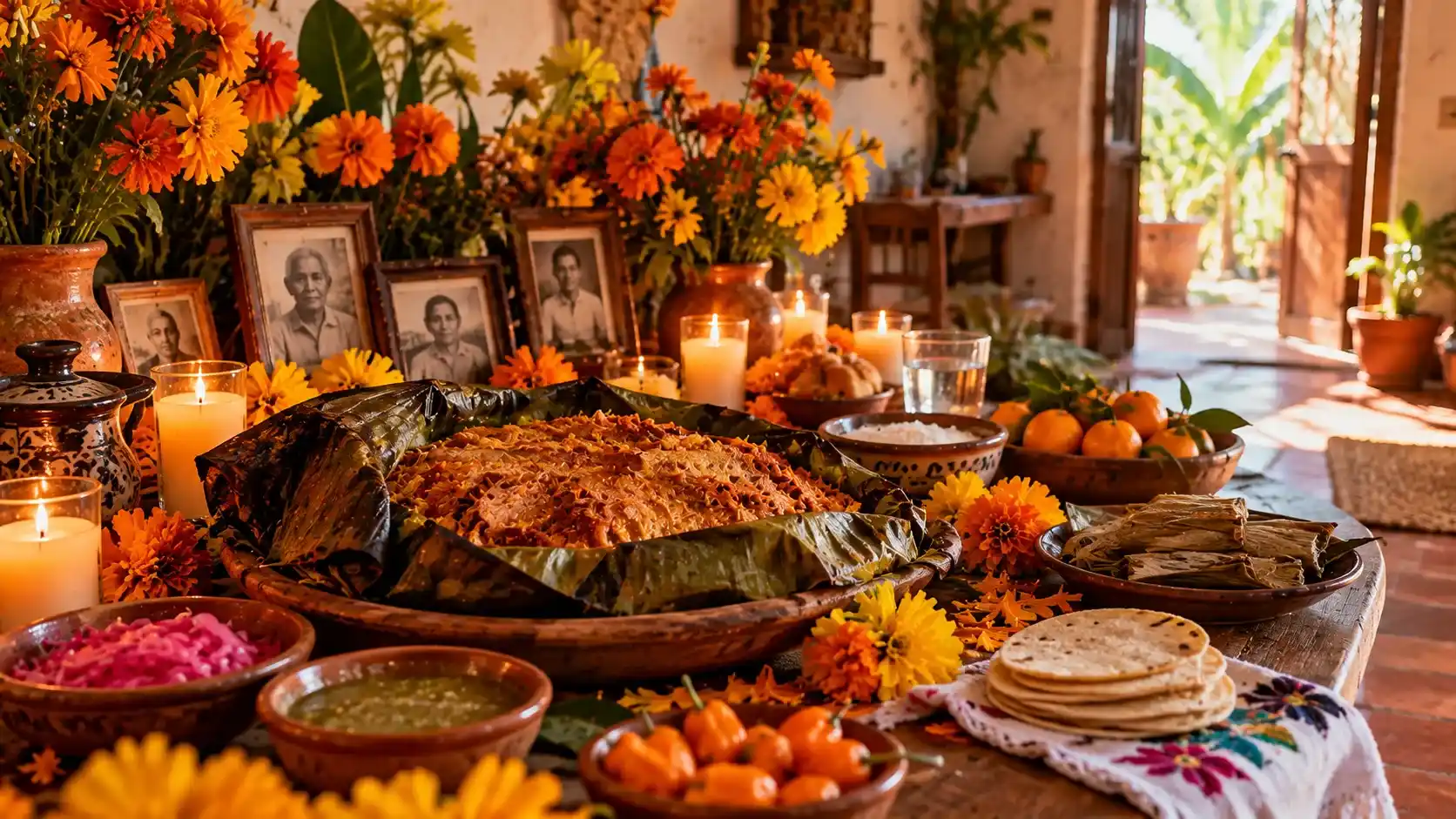
In the Yucatan Peninsula, Hanal Pixán stands out, a Mayan expression that is usually translated as “food of the souls”.
This tradition is linked to the preparation of food and offerings to remember the deceased. One of its best-known dishes is mucbipollo or pib, a traditional preparation that is usually associated with this season.
Families can place photographs, candles, flowers, and food on their altars. However, practices vary between municipalities and households.
To understand the Hanal Pixán, it is important to recognize its relationship with the Mayan culture and avoid reducing it to a simple decorative variant of the Day of the Dead.
Day of the Dead in Michoacán
Michoacán is known for the celebrations of different communities in the region of Lake Pátzcuaro.
Visits to cemeteries, the decoration of graves, and vigils are all part of some of these cultural expressions.
Ceremonies vary between communities, so it is important to respect the practices of each locality and follow the indications of its inhabitants when visiting during the festival.
Day of the Dead in Oaxaca
In Oaxaca, the celebration may include altars, flowers, music, family gatherings, and visits to cemeteries.
Some towns organize activities that begin at the end of October and continue during the first days of November.
Customs are not identical throughout the state. Each community retains expressions that reflect its own history and traditions.
Cleaning of the holy remains in Pomuch, Campeche
In Pomuch, Campeche, the practice known as cleaning of the holy remains stands out.
Families carefully clean the remains of their loved ones and renew the fabrics that wrap them, following a local tradition related to the remembrance of ancestors.
This custom reflects a particular relationship with family memory and the continuity of ties between generations.
Knowing these traditions allows us to understand that the Day of the Dead does not have a single way of being celebrated. Its richness resides, precisely, in the cultural diversity of Mexico.
How to Explain the Day of the Dead to Children
The Day of the Dead offers an opportunity to teach children about family history, Mexican traditions, and the value of preserving memories.
The explanation should be adapted to their age and the beliefs of each household. It is important to talk about death with sensitivity and allow the little ones to express their questions and emotions.
You can do activities such as:
- Make paper flowers to decorate the offering.
- Drawing skulls and designing papel picado.
- Create a small file with a family member’s photograph.
- Hear stories from grandparents and other family members.
- Prepare a traditional recipe.
- Read stories about Mexican customs.
- Research how the Day of the Dead is celebrated in your area.
It’s also worth remembering that every child experiences loss differently. Some will be curious; others may need more time to understand what happened.
The purpose is to convey that remembering someone allows us to preserve their history, their teachings and the affection they left in the family.
Differences between Day of the Dead and Halloween
The Day of the Dead and Halloween occur on close dates, but they have different histories, symbols, and cultural goals.
Halloween is celebrated on October 31 and is associated with traditions developed in different societies, especially with the modern holiday popularized in the United States.
The Day of the Dead, on the other hand, is characterized in Mexico by offerings, family memories, visits to cemeteries and other practices dedicated to the deceased.
Among the main differences are:
- Halloween: costumes, decorated pumpkins, recreational activities and the custom of trick-or-treating.
- Day of the Dead: altars, photographs, flowers, food and tributes to the deceased.
- Halloween: Its main date is October 31.
- Day of the Dead: Its central dates are November 1 and 2, although the celebrations may cover more days.
In Mexico, both festivities can coexist. Knowing their differences allows you to better understand the meaning of each celebration.
Day of the Dead FAQs
What is celebrated every day of the Day of the Dead from October 27 to November 3?
In some versions of the popular calendar, each date is related to certain deceased: pets on October 27, people who died tragically on the 28th, people drowned on the 29th, forgotten souls on the 30th, children who died without baptism on the 31st, All Saints’ Day on November 1st, the Faithful Departed on the 2nd, and the farewell of souls on November 3rd. These associations can vary depending on the region and family tradition.
What is remembered on October 27?
In some popular versions, October 27 is dedicated to remembering deceased pets. Some families prepare small offerings with photographs, toys, water and flowers to honor the animals that were part of their lives.
What is commemorated on October 28?
Certain popular calendars link October 28 with people who died tragically, suddenly, or violently. This association is not practiced uniformly throughout Mexico.
What is remembered on October 29?
In some versions of the popular calendar, October 29 is dedicated to people who have drowned. This interpretation should be understood as a popular belief, as the dates and their meanings vary between communities.
What is celebrated on October 30?
Some popular versions relate October 30 to forgotten souls or to those who have no relatives to prepare an offering in their memory. The assignment of this date is not universal.
Is October 31 the day of the souls of limbo?
In certain versions of the popular calendar, October 31 is related to children who died without having been baptized and to the ancient Christian belief of limbo. This association is not part of a uniform tradition in all Mexican communities.
What is celebrated on November 1st?
November 1 is All Saints’ Day in the Catholic calendar. In many Mexican communities it is also related to the remembrance of deceased children, although customs change depending on the region.
What is commemorated on November 2?
On November 2, All Souls’ Day is celebrated in the Catholic tradition. It is one of the central dates of the Day of the Dead and is dedicated to remembering the deceased through offerings, prayers, visits to cemeteries and family gatherings.
On November 3 do souls return to the afterlife?
According to some versions of the popular calendar, November 3 marks the symbolic farewell of souls and their return to the afterlife or to their resting place. Some families remove the offering on that day, although others follow different customs.
When should the Day of the Dead offering be placed?
Many families prepare their ofrenda during the last days of October to have it ready on November 1 and 2. Others follow popular calendars that begin on October 27. There is no single mandatory date for all households.
When should the Day of the Dead offering be removed?
It depends on family and regional customs. Some families remove the offering after November 2, while others wait until November 3 or keep it for longer.
What are the traditional elements of an ofrenda?
Among the most common items are photographs, marigold flowers, candles, water, bread of the dead, fruits, favorite foods of the deceased, and papel picado. Each family can incorporate other objects with personal meaning.
Is the Day of the Dead calendar the same throughout Mexico?
No. The dates of October 27 to 31 and November 3 appear in different versions of the popular calendar, but they are not followed in the same way throughout the country. November 1 and 2 are the most widely recognized dates of this celebration.
Day of the Dead: a tradition that keeps the memory alive
The Day of the Dead is much more than a November celebration. It is a cultural expression in which history, beliefs, gastronomy and family memories converge.
From offerings dedicated to pets to ceremonies on November 1 and 2, practices change depending on the region and family. That diversity is part of the richness of Mexican traditions.
Knowing the Day of the Dead calendar from October 27 to November 3 allows you to discover some of the customs that have become popular during this season. At the same time, it reminds us of the importance of distinguishing between documented traditions and interpretations that vary from community to community.
You can celebrate by preparing an ofrenda, sharing family stories, learning a regional recipe, or researching the customs of your locality.
How do you celebrate the Day of the Dead in your family? Share your traditions, tell us what elements you place in your ofrenda and help keep this cultural heritage alive for new generations.